Big Mike Banana!
Why Gros Michel?
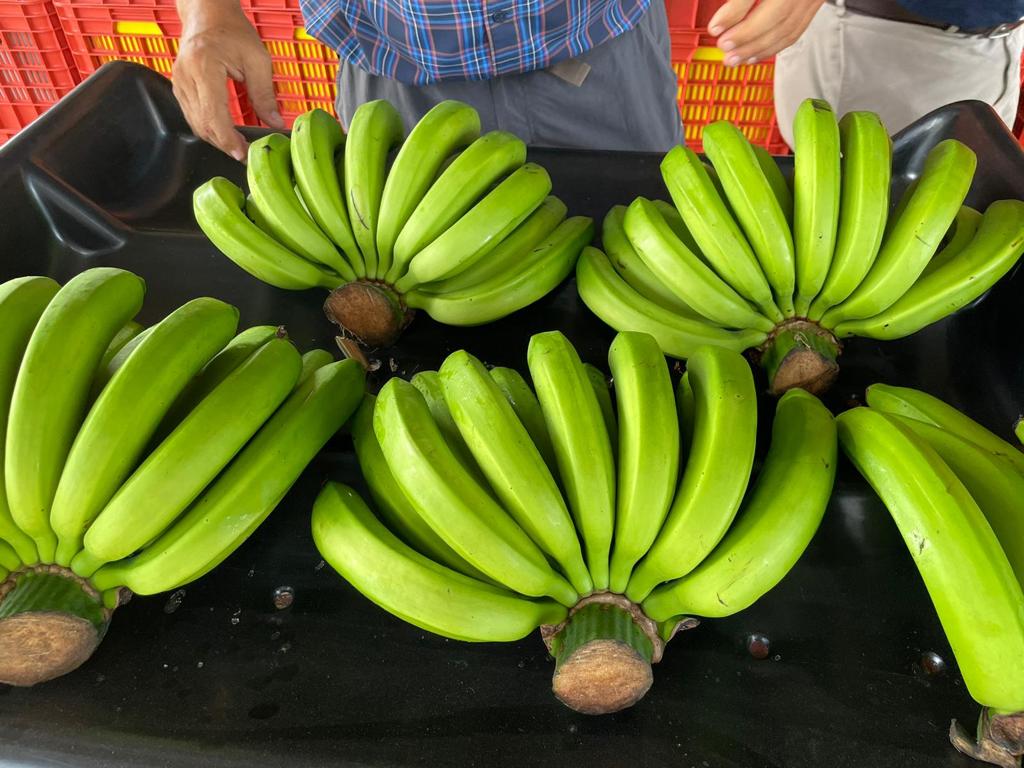
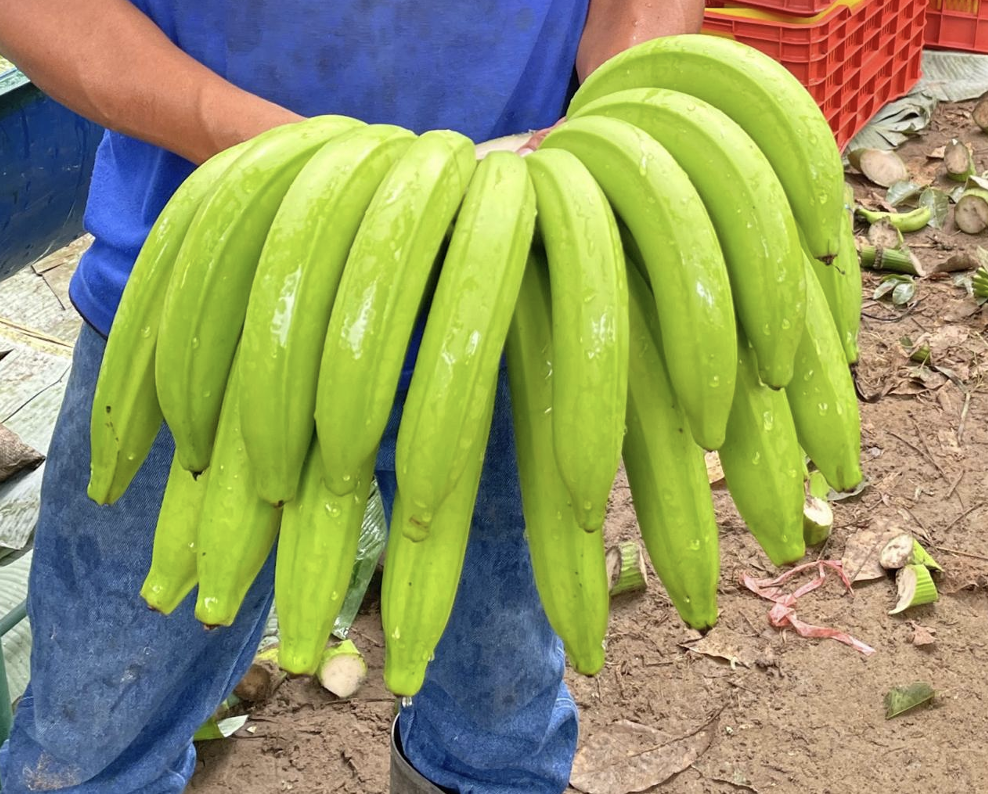
Known as the banana that changed the world Gros Michel captivated consumers with its creamy texture and sweet flavor until Fusarium wilt forced its decline. Unlike Cavendish, it is naturally durable, travels well, and now benefits from modern logistics that preserve its superior quality.
Even more importantly, Gros Michel thrives in biodiverse, forest-like systems with minimal chemical inputs—producing a healthier fruit, a lighter environmental footprint, and a banana that embodies both heritage and wellness.
The Rise, Fall & Return of Gros Michel
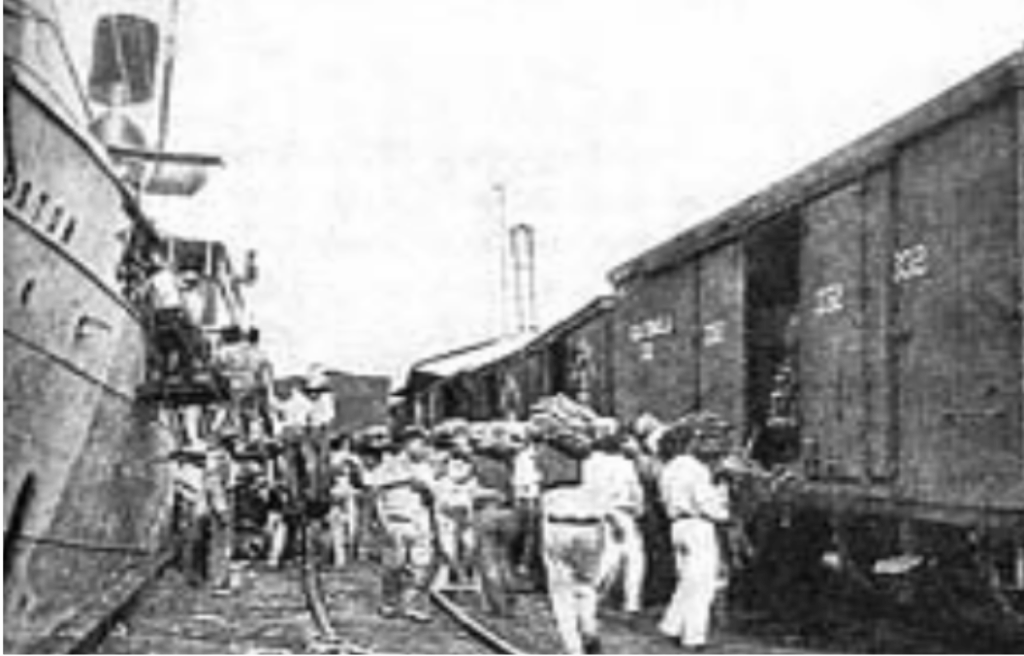
Originating in Asia, Gros Michel reached the Caribbean in the early 1800s and soon spread across Central America. Its debut at the 1876 Philadelphia Centennial Exhibition marked the start of its global fame. Loved for its creamy flavor and natural resilience, Big Mike became the banana that changed the world.
By the 1950s, however, Fusarium wilt devastated plantations, forcing the industry to adopt the less flavorful but disease-resistant Cavendish. Yet Gros Michel never fully disappeared—it survived in Guatemala’s highlands, thriving among coffee and cacao in biodiverse, forest-like systems.
Today, with modern logistics and sustainable farming, Gros Michel is ready for a comeback—offering growers and consumers a banana that unites flavor, resilience, and environmental balance once again.


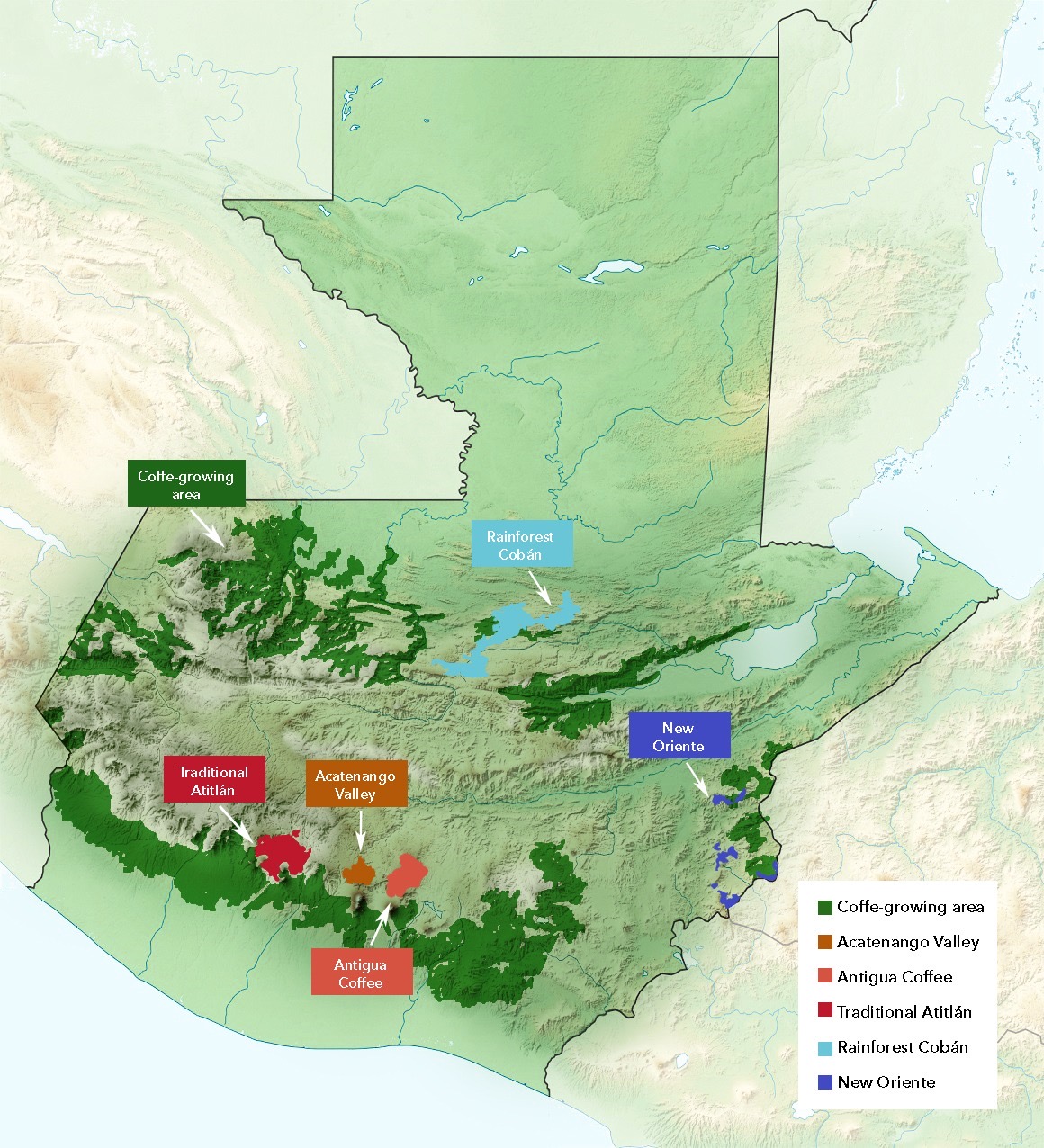
Gros Michel Growing Areas Guatemala
Where we Grow?
Guatemala’s coffee highlands provide the ideal environment for Gros Michel.
In regions such as Acatenango, Antigua, Atitlán, Cobán, and Oriente, bananas thrive within biodiverse, forest-like systems —growing alongside coffee plants and helping protect the natural ecosystems that sustain them.
Get in Touch
Join the Gros Michel banana revolution. Contact us now for the finest bananas and exceptional service.
 English
  Spanish